
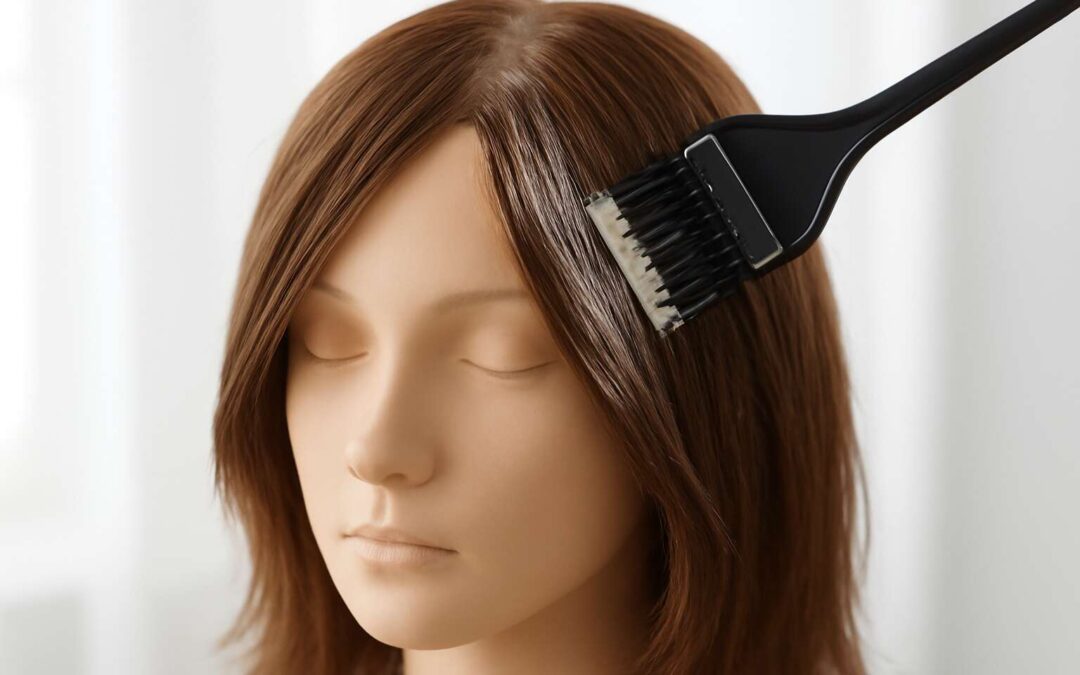
Assessing Dye Compatibility for Human Hair Wigs
Key factors that influence dye absorption
In South Africa, 58% of wig wearers want to know if a shade change is possible before buying. That curiosity boils down to one question: can human hair wigs be dyed.
Assessing dye compatibility hinges on a few core factors that influence how dye moves through each strand.
- Cuticle alignment and integrity
- Porosity and moisture balance
- Base colour and the dye formulation
- Chemical treatments or coatings present
- Hair origin and processing methods
These elements shape colour lift, evenness, and fade resistance, guiding expectations for outcomes. A careful assessment respects the fibre’s natural state and the finish, especially in a South African market where styling needs are diverse.
Natural vs treated human hair differences
In South Africa, 58% of wig wearers want to know if a shade change is possible. This truth points to a deeper question: can human hair wigs be dyed? Natural strands behave like living fibre; treated ones carry history—coatings and finishes—that alter how colour moves through each strand.
Assessing dye compatibility hinges on the fibre’s current state and finish. Natural, untreated hair absorb dye more predictably when the cuticle is intact; treated wigs may carry residues that skew colour uptake and fade.
- Natural, untreated wig fibres absorb dye more predictably when the cuticle is intact.
- Treated wigs may carry residues that skew colour uptake and fade.
That nuance matters in a diverse South African styling scene, where looks shift with seasons and events. The difference between natural and treated hair shapes expectations, and the fibre’s state largely determines the outcome—can human hair wigs be dyed, after all?
Identifying wig construction: lace, mono, or standard cap
In South Africa, 58% of wig wearers want to know if a shade change is possible—the line between possibility and probability. The question remains: can human hair wigs be dyed? The answer hinges on the fibre’s current state and any finishes that linger from previous styling.
Assessing dye compatibility starts with identifying wig construction: lace, mono, or standard cap. Each architecture responds differently to dye, shaping outcomes in unpredictable ways.
- Lace wigs: the front is delicate and porous; dye tends to engage the strands at the hairline, but edge work must be gentle to protect the lace.
- Mono caps: monofilament sections allow more uniform colour along the fibres, with attention paid to areas around knots.
- Standard caps: a denser weave can yield uneven uptake unless the processing is balanced across all zones.
What dyes and developers work best
In South Africa, the nocturnal whisper of dye hangs in the air: can human hair wigs be dyed? The answer hinges on the fibre’s current state and any finishes left from previous styling—the line between possible and probable often rests on subtle chemistry. Assessing dye compatibility begins with reading the hair’s history, for every strand keeps a memory of its journey.
I sense color’s patience, and I know the balance it demands. Color reveals itself through measured tone and depth, not bravado. The tale of absorption is written in tone, shade depth, and how evenly pigment latches across the surface.
- undertones and shade compatibility
- lingering finishes that can mute or shift uptake
- uniformity versus edge behavior in pigment development
Patch test and strand test protocols
In the hush before color lands, the wig speaks. Patch tests are the quiet seance that tells you whether the hair will welcome pigment. “Color reveals itself through measured tone and depth,” the old guidance murmurs, and we listen. A wig’s history—its undertones, finishes, and previous loves—settles into the skin and strand. For South Africa clients, patch tests are standard—calm, precise, respectful of the hair’s history. The aim is clear: gauge compatibility without guessing, letting the hair’s memory guide the hand.
- Patch test: apply a tiny amount of dye behind the ear or on the inside of the elbow; wait 24–48 hours for reaction.
- Strand test: select a small strand from an inconspicuous area; treat it as you would the full wig—lift, apply dye, and note lift and color behavior.
- Interpreting results: if the skin shows no reaction and the strand takes shade evenly, you’re closer to yes; uneven uptake or odd tones signal rethink.
The strand test carries the quiet verdict, showing how the wig will breathe under light and shade. The question can human hair wigs be dyed becomes a verdict born from results, not bravado.
Dyeing Methods for Human Hair Wigs
At-home dyeing vs professional services
Color can transform more than a look; it can lift a mood for days. In South Africa, many wig wearers report confidence after a fresh shade, a reminder that hue is more than pigment. So, can human hair wigs be dyed? The answer isn’t simple and depends on origin, finish, and care.
At-home dyeing versus professional services write two chapters. Home dyeing offers freedom and quick changes, but uneven lift can happen on porous fibers. For reliability, a professional colorist calibrates shade to skin tone and lighting. When weighing options, the route you choose shapes outcome and upkeep.
- Personal control
- Color consistency
- Professional support
Choosing a path that fits daily life—whether farmstead chores or city work—keeps the wig looking true and you feeling seen.
Permanent dye techniques and step-by-step overview
Across South Africa, salons report a striking stat: nine in ten clients say a fresh shade lifts mood for days. This raises a common question: can human hair wigs be dyed. I’ve watched color wander across a clean cap like sunrise over Cape Town—color as memory, not mere pigment. Permanent dye techniques promise lasting vibrance, but they demand respect for the wig’s origin, finish, and the wearer’s rhythm.
Here is a concise step-by-step overview of permanent dye methods:
- Prepare space, gloves, dyes, brushes, and a timer.
- Mix permanent dye with developer as directed for shade.
- Apply evenly from roots to ends, covering the cap.
- Let the color develop for the recommended time.
- Rinse with cool water and condition before styling.
Semi-permanent and temporary color options
Across South Africa’s salons, mood-matching hues have driven a 40% rise in semi-permanent color requests this year. There is a common question: can human hair wigs be dyed, and still keep the cap looking natural? The answer varies with origin, finish, and shade.
Semi-permanent options deposit pigment without long-term commitment. Direct-dye glosses, color-depositing shampoos, and gentle toners are popular for depth while preserving texture.
- Direct-dye glosses that seal color on the cuticle
- Color-depositing shampoos and conditioners for maintenance
- Wash-out sprays for event-ready looks
Temporary options offer instant drama: sprays, chalks, and wash-out tints for a night or weekend, then vanish with the next shampoo. The appeal is playful yet practical, letting you sample shades without permanent commitment.
Bleaching and lift for color changes
Dyeing methods for human hair wigs rely on a careful lift—bleaching opens the cuticle to reveal depth beneath. That lift sets the stage for color changes that feel seamless and natural. can human hair wigs be dyed, you might ask, and the answer depends on origin, finish, and shade, guiding how far the strand can travel—especially for South African clients seeking sun-inspired tones while preserving softness.
When colour is invited, the wig’s construction—lace, mono, or standard cap—meets the needs of lightened fibre. The relationship between natural and treated hair becomes the editor of tone, dictating whether a cooler platinum or a warmer gold sits quietly against the scalp. In the end, dyeing methods prefer restraint over bravado, reminding us that beauty thrives in measured transformation rather than flashy bravura.
Color restoration after dye mishaps
Color restoration after dye mishaps sits at the crossroads of science and restraint. So, can human hair wigs be dyed? In many cases, yes—provided the origin, finish, and shade allow for controlled color travel. For South African wardrobes that crave sun-kissed warmth while preserving softness, the right approach makes a quiet, confident statement.
- Color-depositing conditioners to refresh tone without lifting
- Gloss or glaze for shine and evenness
- Professional recolor services for precision when needed
Color restoration methods focus on balance rather than bold overhauls, ensuring the wig maintains its natural feel. In SA, these options respect varying textile finishes and keep movement intact while smoothing out dye mishaps.
Color Theory and Shade Matching for Wigs
Understanding undertones and base colors
Color theory stains every strand with a memory of light. Undertones reveal themselves as whispers—warm honey, cool ash, or neutral beige—guiding how a wig will read in sun and shadow. When you ask can human hair wigs be dyed, the answer lives in nuance, not bravado.
Base colors act as the scaffold for shade matching. Identify the dominant base beneath the surface—straw, ash, or copper—and let it steer hue selection so undertones harmonize rather than clash. The darker your base, the deeper the mood; the lighter, the breathier the glow.
- Undertone categories: warm, cool, neutral
- Base color anchors: level, depth, hue
- Lighting matters: daylight vs. artificial
Under South African daylight and boutique LEDs, the eye judges color with patience, letting shade fall where it belongs and avoiding harsh substitutions that betray the silk of human hair wigs.
Choosing the right shade for skin tone and style
“Color is a power which directly influences the soul,” Kandinsky observed. Color theory stains every strand with a memory of light, and undertones whisper as warm honey, cool ash, or neutral beige. When you ask can human hair wigs be dyed, the answer lives in nuance, not bravado. Base colors act as the scaffold for shade—identify the dominant base beneath the surface and let it steer hue so undertones harmonize rather than clash.
Under South African daylight and boutique LEDs, the eye grants color patience, letting shade fall where it belongs. Choose a shade that listens to skin tone and style: the right harmony reads warmth in sun, balance under shadow, and a glow that feels timeless rather than trendy.
Maintaining color longevity and vibrancy
Color is a memory of light, and under South African daylight it writes new verses on every strand! When you wonder can human hair wigs be dyed, the answer rests in nuance—the base beneath the surface dictates how shade settles and how undertones whisper warmth, cool ash, or neutral beige.
Color theory becomes a compass for harmony, shaping shade longevity and vibrancy so hues endure without clashing.
- Undertones matching to skin tone and wig base
- Base color alignment before adding tone
- Daylight vs LED lighting effects on perception
Under boutique LEDs and the long arc of seasons, shade choice speaks to skin tone and style with timeless quiet. The right alignment reads warmth in sun, balance under shadow, and a glow that feels enduring rather than ephemeral.
Hybrid techniques: blending multiple shades
Across South Africa’s bright daylight, color breathes differently, and perception shifts with the noon sun. The question can human hair wigs be dyed becomes a canvas for color theory, not a simple yes-or-no. Undertones whisper warmth, cool ash, or neutral beige, while the base color guides how shade settles across each strand.
Color theory acts as a compass for harmony, shaping shade longevity and how blends read under changing light. Hybrid techniques fuse several shades to craft natural transitions—root to end, soft mid-tones, and subtle glints—so a wig wears with a voice that feels alive, synchronized with skin tone and base.
- Soft-root blends that mimic sun-kissed growth
- Mid-tone layering for depth without harsh lines
- Strategic cool or warm accents to balance undertones
Under boutique LEDs and the arc of seasons, shade reveals its quiet radiance.
Common color correction tips
Color lives in light, and in South Africa’s glare, shade reveals itself with a director’s eye. Undertones whisper warmth, cool ash, or neutral beige, while the base color guides how shade settles across each strand. The guiding question can human hair wigs be dyed anchors this color conversation, inviting nuance over a simple yes-or-no.
- Balance undertones with the base shade to avoid muddy results.
- Colors read differently in natural daylight and under boutique LEDs, revealing shifts.
- A light glaze can refine warmth or coolness to harmonize with undertones.
Color theory acts as a compass for shade longevity and how blends read under changing light. Soft-root transitions, mid-tone depth, and subtle cool or warm accents harmonize when undertones and skin tone align, letting a wig wear with a voice that feels alive.
Preparation, Safety, and Care for Dyed Wigs
Pre-dye prep steps and protective measures
In South Africa, the question “can human hair wigs be dyed” is common as we chase brighter mornings and longer-lasting color. With proper preparation, safety, and care, the answer is yes. A Cape Town stylist once said, “Preparation is the color’s best friend.”
Preparation for dyeing is practical and protective. The process often involves setting the wig on a stand, buffering the hairline with barrier cream, and ensuring the workspace is well-ventilated to manage fumes.
- Glove use, a cape, and barrier cream at the hairline are common safety measures
- Protecting the edges of the cap helps prevent staining
- Ventilation and careful handling reduce fumes and undue stress on the wig
Care after dyeing supports longevity: rinse with cool water, wash with a sulfate-free shampoo, and condition deeply before air-drying away from direct sun.
Scalp and skin protection during dyeing
A Cape Town stylist once said, “Preparation is the color’s best friend,” and that truth echoes in every salon chair when we ask can human hair wigs be dyed. With proper preparation, safety, and care, a renewed shade can brighten mornings while guarding the scalp and skin against irritation.
- Gloves, cape, and barrier cream at the hairline are common safeguards to protect skin during dyeing
- Protecting the cap edges helps prevent staining and maintains comfort
- Ventilation and mindful handling reduce fumes and stress on the wig
Care after dyeing focuses on maintaining moisture, gentle cleansing, and shielding the scalp from harsh sun, ensuring the color stays vibrant without compromising skin health.
Wig-specific aftercare and color upkeep
Fact: 85% of dye longevity hinges on prep. For dyed wigs, preparation is skin-safe armor—gloves, cape, and barrier cream at the hairline, plus cap-edge protection to prevent staining. Ventilation keeps fumes tolerable and the vibe calm in a Cape Town studio.
- Gloves, cape, barrier cream at the hairline
- Protect cap edges to prevent staining
- Ventilation for safe handling
Safety matters: can human hair wigs be dyed? Yes—when you use measured products, mindful timing, and keep the scalp happy with airflow and skin-friendly formulations.
Care after dyeing centers on moisture and gentle cleansing. Shield the scalp from harsh sun, and refresh with lightweight conditioning so the shade stays vibrant without drying the hair or skin. And yes, can human hair wigs be dyed—color endurance grows with consistent hydration and UV protection.
Avoiding damage: heat styling and chemical exposure
Preparation for dyed wigs begins long before shade touches strand. In a calm Cape Town studio, the workspace is laid out with care: clean surfaces, good lighting, and a cooling breeze. The aim is to minimize heat and chemical exposure while preserving the wig’s natural movement. Thoughtful preparation—barrier protection at the hairline and careful handling—lets color sing with life.
Safety matters: the question can human hair wigs be dyed? Yes, when products are measured, timing is mindful, and airflow keeps fumes tolerable. A clinic-like patience governs sessions, and skin-friendly formulations protect the scalp. South Africa studios emphasize comfort, dignity, and trustworthy results.
- Ventilation and a calm workspace
- Barrier protection at the hairline
- Skin-friendly formulations
Care after dyeing centers on moisture and gentle cleansing. Shield the scalp from harsh sun, and refresh with lightweight conditioning so the color stays vibrant without drying the hair. With consistent hydration and UV protection, color endurance holds its own through the sun and breeze of everyday life in SA.
Storage and handling after color
In Cape Town’s morning light, preparation for dyed wigs begins long before shade touches strand. When considering can human hair wigs be dyed, the answer shows itself through careful steps: barrier protection at the hairline, mindful handling, and a clean, well-lit workspace. This matters.
Safety matters. The studio breathes with ventilation and a calm rhythm, guarding against irritation with barrier protection and skin-friendly formulations.
Care after dyeing centers on moisture and gentle cleansing. In SA’s sun-warmed climate, keeping the scalp shielded and hair hydrated helps the color stay vibrant without drying; mindful storage and handling after color also matter, shielding from heat and sun. With steady balance, color endures through the everyday breeze.