
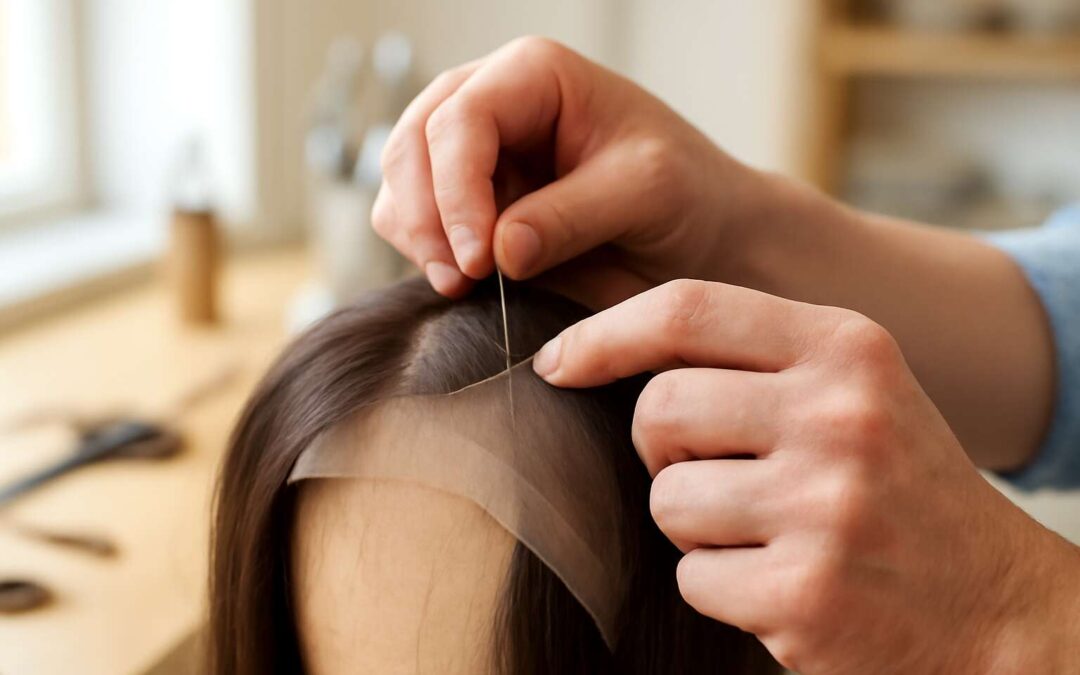
Comprehensive guide to manufacturing human hair wigs
Overview of wig types and benefits
Across South Africa, nearly 70% of wig buyers prize natural movement and longevity over price. The craft behind human hair wigs is a quiet fusion of artistry and science that deserves attention. For many researchers and shoppers, the question “human hair wigs how are they made” opens a doorway to ethics, sourcing, and skilled workmanship.
Overview of wig types and benefits:
- Lace-front wigs: natural-looking hairline and versatile styling
- Full-lace wigs: maximum movement and comfort
- Monofilament-top wigs: realistic part and breathable cap
In production, strands are sorted, cuticle-aligned hair is chosen, and each wig is hand-tied or machine-sewn to a breathable cap, ensuring durability and a lifelike fall. Ethical sourcing and meticulous finishing give SA wearers options that feel authentic, resilient, and personal rather than merely cosmetic.
Hair sourcing, ethics, and quality control
The journey of a human hair wig is a quiet alchemy, weaving ethics with artistry across South Africa’s studios and salons. In the gaze of thoughtful buyers, questions like “human hair wigs how are they made” echo through the room, revealing a devotion to provenance and finesse.
Hair sourcing sits at the hinge of trust and science: traceable supply chains, meticulous sorting for cuticle alignment, and hands-on finishing that respects the longevity of each strand. A short, shimmering list of guiding principles:
- Ethical sourcing and transparent provenance
- Cuticle-aligned, durable construction
- Rigorous, ongoing quality control
Together, these threads form a product that feels authentic, resilient, and personal in South Africa’s diverse beauty landscape.
Cap construction and assembly techniques
Cap construction is the quiet architect of authenticity—where comfort meets silhouette in a single seam. In the broader question of human hair wigs how are they made, the cap acts as a living frame, tuning airflow, weight, and the illusion of a natural scalp. Indeed, it is the hinge that determines whether a wig sits like a second skin or sits apart from the scalp.
Consider the essential cap components that translate hair into lifelike movement:
- Base cap fabric that breathes
- Lace-front or sheer panels for a natural hairline
- Ventilated knots and hand-venting for movement
- Elasticized or adjustable fits for all head shapes
Assembly techniques balance artistry and durability: the density of knots, the direction of cuticles, and finishing touches like subtle bleaching at the knots for a seamless line of sight. The result is a wig that feels drawn from the head rather than merely worn, with cap versatility to suit South Africa’s diverse climates.
Finishing steps, styling, and care
The finishing room is where the mask dissolves and the truth glints. Finishing steps choreograph movement, color melding, and the breath of the scalp. The answer to human hair wigs how are they made blooms into every careful knot, every strand aligned for a seamless, living line of sight.
- Hand-vented knots and careful bleaching for an invisible scalp
- Precision trimming to sculpt a natural hairline
- Gentle sealing to preserve movement without stiffness
- Soft, conditioning glazes that enhance sheen without weighing down the fibers
In the South African climate, styling rituals mingle with endurance. Careful cleansing with sulfate-free products, cool-air drying, and restrained heat keep the cuticle’s moonlit glow alive. Store away from harsh sun and humidity, and let the wig breathe as the day shifts from dawn to dusk.
Maintenance, care, and longevity
In the world of style and stamina, maintenance is the quiet engineer behind every lifelike wig. For readers curious about “human hair wigs how are they made,” the answer lies in keeping the fiber true to its origin—cuticle alignment, balanced movement, and a natural sheen that holds over time.
Across South Africa’s varying climates, the aim is to steward the wig rather than merely wear it. The guide to maintenance and longevity centers on a philosophy of gentle handling and thoughtful storage:
- Material integrity and careful finishing guard movement and realism.
- Protective storage from sun, dust, and humidity preserves color and texture.
- Minimal heat and moderated products keep the cortex calm and flexible.
By treating the wig as a living garment—a product of skilled manufacture and mindful care—owners can enjoy a longer, more convincing presence in daily life.